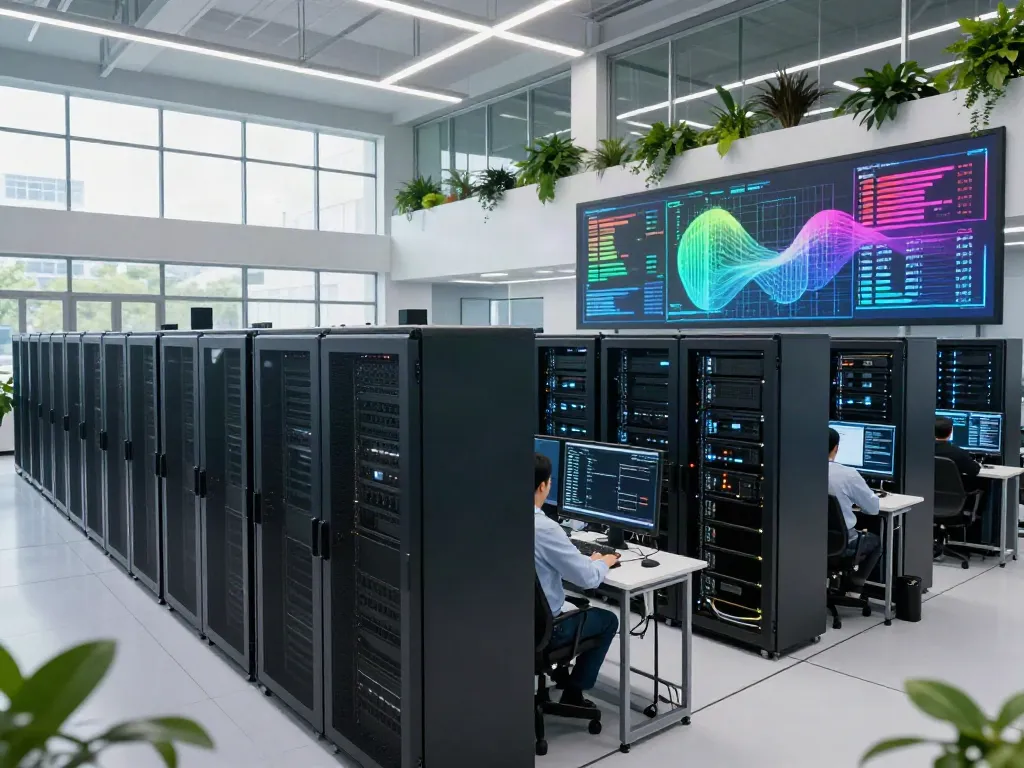
Understanding the AI Data Center Landscape
As the demand for artificial intelligence (AI) applications explodes, the role of the AI data center has become increasingly critical. These facilities, specifically designed to support the unique computational needs of AI workloads, differ significantly from traditional data centers. In this article, we will explore the defining characteristics of AI data centers, their importance in modern technology ecosystems, and trends that are shaping their future in 2026 and beyond.
What Defines an AI Data Center?
AI data centers are specialized facilities equipped with advanced hardware designed specifically for processing AI algorithms, machine learning models, and deep learning tasks. They typically utilize high-performance computing resources, including clusters of graphics processing units (GPUs) and tensor processing units (TPUs), to handle the intensive workload that AI applications demand. Unlike standard data centers, which may host a wide variety of applications, AI data centers focus heavily on the unique requirements of AI operations, such as high throughput and low latency.
Key Differences Between Traditional and AI Data Centers
- Hardware Utilization: Traditional data centers may use CPUs for varied tasks, while AI data centers heavily rely on GPUs and TPUs that excel in parallel processing.
- Workload Types: AI data centers are optimized for specific AI workloads, including model training and inference, unlike traditional centers that handle a diverse range of applications.
- Energy Efficiency: AI data centers adopt specialized cooling strategies to manage the extreme heat generated by GPUs, often leading to more complex energy management solutions compared to traditional data centers.
Trends Shaping the Future of AI Data Centers in 2026
As we look towards 2026, several trends are likely to influence the evolution of AI data centers:
- Increased Adoption of Edge Computing: The growing demand for real-time data processing will drive AI data centers closer to the edge, facilitating quicker response times and lower latency.
- Integration of Renewable Energy Sources: To combat energy demands and reduce carbon footprints, AI data centers will increasingly incorporate renewable energy solutions.
- Enhanced AI Model Efficiency: New algorithms and architectures will reduce the computational power required for training AI models, potentially decreasing the size and energy consumption of AI data centers.
Power Management in AI Data Centers
Efficient power management is the backbone of sustainable and effective AI data center operations. Given the immense computational power required by AI applications, ensuring a reliable and efficient power supply can directly influence performance and operational costs.
Importance of Reliable Power Supply for AI Operations
AI workloads are highly sensitive to power fluctuations, as any disruption can lead to suboptimal performance or data loss. More than just providing power, the infrastructure needs to guarantee consistency and reliability to support continuous operations, particularly for mission-critical AI applications that rely on real-time data processing.
Implementing Efficient Cooling Solutions
With high-density GPU utilization generating substantial heat, effective cooling solutions are essential. Air cooling is common, but advanced data centers are increasingly adopting liquid cooling systems, which can significantly enhance energy efficiency and thermal management.
Renewable Energy Practices in Powering AI Data Centers
Integrating renewable energy sources, such as solar and wind, is becoming a key strategy for powering AI data centers. Not only does this reduce dependence on fossil fuels, but it also helps organizations meet sustainability goals and reduce operational costs in the long term.
Infrastructure and Design Considerations
Designing an AI data center involves unique considerations to optimize performance, scalability, and sustainability. The architecture must facilitate the specific needs of AI while ensuring future adaptability to emerging technologies.
Best Practices for Designing an AI Data Center
- Modular Design: Incorporating modular components allows for easy upgrades and scaling as AI demands grow.
- High-Density Layouts: Optimizing floor space for high-density racks can maximize compute resource allocation while minimizing energy costs.
- Robust Security Infrastructure: Given the critical nature of the data processed, security measures must be integrated at all levels.
Scalable Infrastructure for Growing AI Workloads
As AI technologies evolve, the infrastructure must be able to scale in accordance with increasing workload demands. This means ensuring that both hardware and software frameworks can be seamlessly expanded without disrupting existing operations.
Advanced Technologies Supporting AI Data Center Efficiency
Innovations such as machine learning-driven resource management systems can significantly improve energy efficiency by automatically adjusting power distribution according to workload demands. Additionally, the adoption of artificial intelligence in operational management can enhance predictive maintenance, ensuring minimal downtime.
Maximizing Performance and Reliability
To ensure optimal performance, AI data centers must employ strategies that enhance both output and reliability. This requires a blend of smart resource allocation, continuous monitoring, and effective management practices.
Measuring AI Workloads and Token Efficiency
AI workloads can be quantified through the token system, where computational tasks are measured based on the number of tokens processed. This metric not only assists in evaluating efficiency but also helps in optimizing power consumption and resource allocation.
Common Challenges and Solutions in AI Data Center Management
- Challenge: High operational costs due to power consumption.
- Solution: Implementing energy-efficient solutions and leveraging renewable energy sources can mitigate costs.
- Challenge: Scalability issues as demand increases.
- Solution: Utilizing modular systems that allow for easy expansion can address this problem effectively.
Case Studies: Successful Implementations in the Industry
Many organizations have successfully adapted their data centers to meet the unique demands of AI. For instance, major tech companies like Google and Amazon Web Services (AWS) have pioneered the integration of AI-specific infrastructure strategies that balance performance with sustainability.
The Future of AI Data Centers
As advancements in AI technology continue, the future of AI data centers promises exciting innovations and significant transformation in how they operate.
Emerging Technologies and Their Impact
Technologies such as quantum computing and neuromorphic chips are expected to revolutionize AI data center capabilities, allowing for unprecedented processing power and energy efficiency.
Workforce Development for AI Data Center Operations
With the rise of AI data centers, there will be a growing need for skilled professionals who can manage these complex environments. Educational institutions and industry partnerships will play a vital role in developing the talent required for future AI infrastructure needs.
Predictions for AI Data Center Innovations by 2026
Looking ahead, we can anticipate significant changes in the landscape of AI data centers, including increased automation of management processes, heightened security measures against cyber threats, and greater integration of AI-driven analytics for operational optimization.
Frequently Asked Questions
What is the AI data center? An AI data center is a facility designed to manage the computational needs of AI workloads, typically utilizing high-performance hardware like GPUs.
Where are most AI data centers located in the US? Major AI data centers are generally located in tech hubs like Silicon Valley, Seattle, and around major metropolitan areas with strong electricity infrastructure.
Who is the largest AI data center? While various companies like Google and Microsoft have substantial AI data centers, the title of the largest can shift frequently based on ongoing infrastructure investments.
What does Trump say about data centers? Statements by public figures regarding data centers often focus on their role in the economy, jobs, and technology advancement.
Why do we need AI data centers? AI data centers are essential for processing the extensive computational requirements of modern AI applications, driving innovation across industries.