Understanding the Modular Water Treatment Equipment Landscape
As industries expand and environmental regulations become more stringent, the demand for efficient and adaptable water treatment solutions has increased significantly. Modular water treatment equipment has emerged as a key player in this landscape, offering flexibility, scalability, and cost-effectiveness for various applications. This article explores the nuances of modular water treatment systems, their benefits, and the selection of a reliable Water Treatment Equipment Manufacturer to ensure that organizations meet their operational needs while adhering to environmental standards.
What is Modular Water Treatment Equipment?
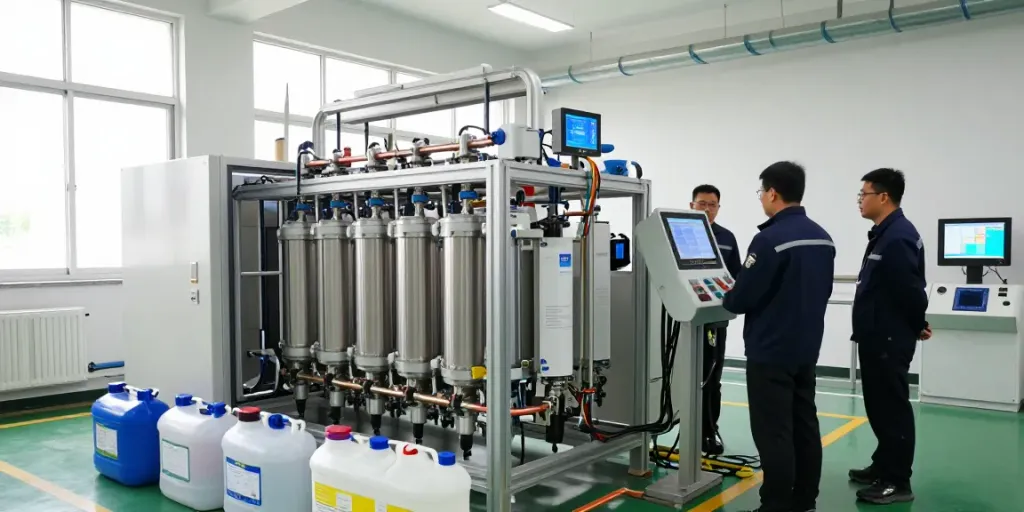
Modular water treatment equipment refers to systems built with prefabricated units that can be easily transported, assembled, and scaled according to specific requirements. These systems can handle various water treatment processes, from filtration and disinfection to chemical dosing and waste management. Modular solutions are particularly advantageous for companies that require quick deployment or need to adapt their treatment capabilities based on fluctuating demand.
Benefits of Modular Systems in Water Treatment
The adoption of modular water treatment systems offers several advantages:
- Flexibility: Modular systems allow facilities to modify or expand their water treatment processes without the substantial costs and downtime associated with traditional fixed systems.
- Scalability: These systems can be easily scaled up or down depending on the specific needs of the operation, making them suitable for small to large enterprises.
- Reduced Footprint: The compact design of modular units requires less overall space, making them ideal for locations with spatial constraints.
- Cost-Effectiveness: Modular systems reduce installation time and labor costs, allowing businesses to allocate resources more effectively.
- Quick Deployment: The pre-manufactured units can be rapidly deployed, which is particularly valuable in emergency situations or remote locations.
Key Applications Across Industries
Modular water treatment systems are versatile and can be utilized across various sectors including:
- Chemical Industry: Wastewater generated from chemical processes often contains harmful substances that require specialized treatment.
- Food and Beverage: Ensuring safe water for processing and compliance with health regulations is crucial.
- Textile: Water treatment systems are essential for dyeing and finishing processes to minimize pollution.
- Municipal: Local governments are implementing modular solutions to address community water quality issues rapidly.
- Mining and Metal Industries: These sectors generate significant wastewater that necessitates effective treatment before discharge.
Choosing the Right Water Treatment Equipment Manufacturer
Every organization faces unique challenges regarding water treatment, making it essential to carefully select a manufacturer that aligns with your operational goals and regulatory requirements. Evaluating potential partners involves several steps, ensuring that you choose a capable and resourceful Water Treatment Equipment Manufacturer.
Evaluating Manufacturer Capabilities
When assessing the capabilities of water treatment equipment manufacturers, consider the following:
- Product Range: A diverse range of products indicates a manufacturer's ability to cater to different industrial needs.
- Customization Options: Look for manufacturers that offer tailored solutions, as this will help meet specific operational demands.
- Technical Support: Ensure that the manufacturer provides comprehensive support, from installation to ongoing maintenance.
- Quality Assurance: Thorough understanding of quality control processes and adherence to international standards is critical.
Comparative Analysis of Leading Manufacturers
Researching leading water treatment equipment manufacturers can provide insights into market trends and innovations. Companies such as Veolia, SUEZ, and Xylem are notable for their advanced systems and technologies. However, it's essential to delve deeper into what each company offers in terms of modular solutions and customization.
Understanding Manufacturer Certifications and Standards
Compliance with industry standards and obtaining necessary certifications is vital for any water treatment equipment manufacturer. Look for certifications such as ISO 9001 for quality management systems and adherence to local environmental regulations. These credentials not only ensure product reliability but also reflect a company's commitment to sustainability and quality.
Integrating Advanced Technologies in Water Treatment Systems
As technology evolves, so does the ability to enhance water treatment processes. Manufacturers are increasingly integrating advanced technologies into their systems to improve operation efficiency, safety, and effectiveness.
Role of AI and Automation in Modern Systems
Artificial Intelligence (AI) and automation play a transformative role in water treatment. These technologies enable real-time monitoring and control of treatment processes, facilitating better decision-making and more efficient operations. Automated systems can adjust chemical dosing, optimize flow rates, and predict maintenance needs to minimize downtime.
Innovative Sensor Technologies for Monitoring
Modern water treatment systems deploy innovative sensors that can monitor key parameters such as pH, turbidity, and contaminant levels. This data allows operators to respond promptly to any deviations from acceptable ranges, ensuring consistent water quality and regulatory compliance.
Case Studies of Successful Integrations
Illustrative examples of successful technology integration include:
- Industry A: A beverage company implemented a modular treatment system with AI-driven analytics to reduce water usage by 25%.
- Industry B: A municipal facility adopted automated filtration technology that improved processing speed while maintaining lower operational costs.
Best Practices for Operating Water Treatment Equipment
Effective operation of water treatment equipment is essential for maintaining water quality and meeting regulatory standards. Following industry best practices can enhance performance and ensure longevity.
Daily Maintenance and Safety Protocols
Establishing and adhering to daily maintenance routines can prevent potential failures and ensure your systems operate at peak performance. Regularly check components, calibrate sensors, and make necessary adjustments to chemical dosing systems.
Common Challenges and Solutions
Water treatment facilities often face challenges including equipment failures, fluctuating water sources, and compliance with changing regulations. Proactively identifying these issues and developing contingency plans can minimize disruptions:
- Equipment Failures: Maintain an inventory of critical spare parts and establish relationships with service providers for rapid response.
- Regulatory Changes: Stay informed about local and federal regulations and adjust treatment processes accordingly.
Performance Metrics for Optimal Operation
Measuring performance metrics is crucial for evaluating the effectiveness of your water treatment equipment. Key metrics include:
- Water Quality: Regularly test water quality to ensure it meets required standards.
- Operational Costs: Analyze costs associated with energy, chemicals, and maintenance to identify areas for improvement.
- Compliance Rates: Monitor compliance with local regulations to avoid penalties.
The Future of Water Treatment Equipment in 2026 and Beyond
As we look towards 2026 and beyond, several emerging trends and technologies are poised to significantly impact the water treatment equipment landscape.
Emerging Trends and Technologies
The shift towards sustainability is driving innovation in water treatment equipment. Technologies such as advanced filtration methods, energy-efficient systems, and environmentally friendly chemical alternatives are gaining traction. Furthermore, digital twin technology will allow manufacturers to simulate processes and optimize systems before implementation.
Future Regulatory Changes Impacting Manufacturers
Anticipate stricter regulations regarding water quality and waste discharge, necessitating advancements in water treatment technologies. Manufacturers must stay ahead of these changes by adopting innovative solutions that not only meet but exceed compliance requirements.
Preparing for Sustainability and Environmental Standards
Companies should proactively prepare for an increased focus on sustainability by investing in eco-friendly technologies and practices. This includes developing zero-liquid discharge systems, which minimize wastewater generation, and enhancing recycling capabilities to reduce resource consumption.
Frequently Asked Questions
What are the largest water treatment companies?
Some of the largest water treatment companies include Veolia, SUEZ, and Ecolab, which have established global presences and comprehensive service offerings.
What are the top 5 water treatment companies in the world?
The top five water treatment companies, noted for their innovative solutions and market leadership, are Veolia, SUEZ, Xylem, Ecolab, and Aquatech.
How do I choose a water treatment equipment manufacturer?
Choosing the right manufacturer involves evaluating their product range, customization options, technical support, and certifications to ensure they align with your specific operational needs.
What innovative technologies are used in water treatment?
Innovative technologies in water treatment include AI-driven automation, advanced filtration systems, and innovative sensor technologies for real-time monitoring.
How can modular systems improve efficiency in water treatment?
Modular systems enhance efficiency by providing flexibility, scalability, and reduced installation time, enabling facilities to quickly adapt to changing water treatment demands.