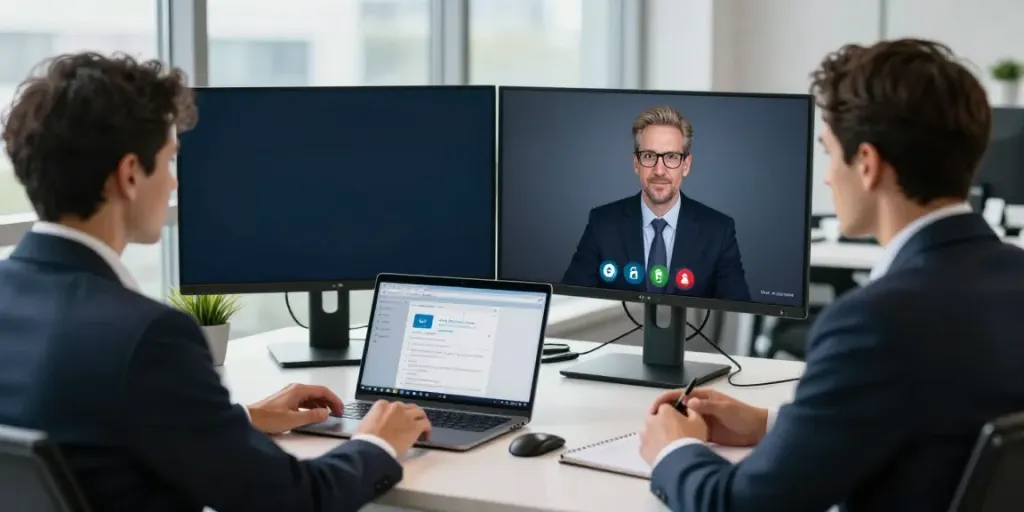
Understanding Deepfake Technology
In an increasingly digital world, deepfake technology has emerged as a potent tool that blends advanced artificial intelligence and media manipulation. From entertainment to security, the implications of deepfakes are vast and often alarming. As the sophistication of these technologies grows, so does the potential for misuse, especially in professional settings like video conferencing. This article will delve into the nuances of deepfake technology, its evolution, and the specific risks it poses in the realm of conferencing.
What is a Deepfake?
Deepfakes are synthetic media, typically videos or audio recordings, generated by artificial intelligence that can convincingly replicate a person's likeness or voice. This technology uses machine learning algorithms, specifically deep learning, to process and manipulate audio-visual content. The result is a hyper-realistic digital portrayal that can be challenging to distinguish from genuine footage.
The Evolution of Deepfake Technology
Initially, deepfake applications were limited to entertainment and satirical purposes, gaining traction primarily through social media platforms. However, the rapid advancement of AI capabilities has allowed deepfakes to escape these confines, entering areas such as politics and corporate communications. As businesses increasingly rely on remote interactions, the risk of deepfake misuse in professional settings has become a pressing concern. Understanding the evolution of this technology is vital for mitigating its risks.
Your Risks in Conferencing
The integration of deepfake technology into video conferencing platforms presents significant threats, particularly in terms of security and authenticity. Cybercriminals can exploit deepfake capabilities to impersonate executives, leading to unauthorized transactions or sensitive information breaches. As this trend grows, organizations must prioritize the integrity of their remote communications to safeguard against emerging threats.
Importance of Deepfake Protection in Conferencing
Given the potential consequences of deepfake misuse, implementing protective measures in video conferencing is more crucial than ever. The stakes are high, as compromised communications can jeopardize client trust and business integrity. When exploring options, Deepfake protected Conferencing provides comprehensive insights into adequately securing these interactions.
Impact on Business Integrity
The trustworthiness of a business largely hinges on its communication authenticity. Deepfakes can undermine this integrity, leading to misinformation, damaged reputations, and financial losses. Companies must be aware of the deepfake threat landscape, as credibility established over years can be eroded in moments due to fraudulent media.
How Deepfakes Affect Remote Work
As remote work becomes the norm, the demand for video conferencing technologies has surged. However, with this shift comes the vulnerability of these platforms to deepfake attacks. Employees may unwittingly participate in meetings with altered identities, raising concerns about the validity of discussions and decisions made virtually. Organizations must ensure that their video conferencing solutions incorporate robust mechanisms to detect and prevent deepfake infiltration.
Legal Considerations for Businesses
The rise of deepfakes has not gone unnoticed by lawmakers. As deepfake technology grows, so does the legislation aimed at regulating its use. Businesses must stay informed about the legal frameworks surrounding deepfakes in their respective jurisdictions, as non-compliance could result in severe penalties and reputational damage. Understanding legal considerations is paramount for proactive risk management in an increasingly complex regulatory landscape.
Best Practices for Securing Video Conferencing
To mitigate the risks posed by deepfakes, businesses should adopt best practices for securing video conferencing sessions. This involves a multifaceted approach that includes implementing stringent authentication measures and employing advanced encryption technologies.
Implementing Authentication Measures
Authentication is the first line of defense in preventing unauthorized access to video meetings. Strong password protocols, multi-factor authentication, and unique meeting links can significantly reduce the chances of deepfake impersonation. It's essential to educate employees on these practices, ensuring that they understand the importance of secure access to virtual meetings.
Utilizing Encryption Technologies
Data encryption is crucial in safeguarding communications from external threats. By encrypting video feeds and audio transmissions during conferences, organizations can protect sensitive information from interception and manipulation. This level of security ensures that even if a deepfake were to occur, the integrity of the session remains uncompromised.
Training Your Team on Deepfake Awareness
Equipping employees with the knowledge to identify potential deepfake scenarios is vital. Regular training sessions that educate teams about how deepfakes work, their potential implications, and detection techniques can fortify an organization's defenses. A well-informed workforce is far less likely to fall victim to deepfake scams.
Choosing the Right Tools for Deepfake Protection
There is a plethora of security tools available designed to combat the threat of deepfakes. However, selecting the right solutions tailored to organizational needs is critical. Businesses must assess their existing infrastructure to integrate effective deepfake detection and prevention systems.
Review of Top Security Software for 2026
As we move into 2026, the landscape of deepfake protection tools is evolving. Solutions such as AI-powered detection software can analyze video feeds for anomalies characteristic of deepfakes. Organizations should remain abreast of emerging technologies in this space to ensure their conferencing tools are equipped to handle the latest threats.
Integrating Security in Existing Platforms
Many video conferencing platforms offer built-in security features that can be enhanced with third-party applications. Organizations should evaluate the security capabilities of their existing tools and consider integrations that provide additional layers of protection against deepfakes. This proactive approach can help fortify defenses without requiring a complete overhaul of current systems.
User Experience vs. Security Trade-offs
While enhancing security is paramount, it’s also essential to maintain a seamless user experience. Striking the right balance between rigorous security measures and user-friendliness can be challenging. Businesses must prioritize solutions that do not impede the usability of video conferencing tools, allowing for intuitive yet secure interactions.
Future Trends in Video Conferencing Security
As the threat landscape continues to evolve, staying informed about the latest trends in video conferencing security is essential. Organizations must prepare for an environment where deepfake technology will become increasingly sophisticated and accessible.
Emerging Technologies in Deepfake Detection
Innovations in artificial intelligence are leading to the development of more advanced deepfake detection technologies. Future tools may leverage machine learning algorithms to identify deepfake characteristics with greater accuracy. Keeping pace with technological advancements will be vital for businesses aiming to protect their conferencing integrity.
Predicting the Landscape of Remote Work
The future of remote work will likely see an increase in hybrid models, where in-person and virtual interactions coexist. This shift necessitates robust solutions to ensure that all forms of communication—whether face-to-face or virtual—remain secure against deepfake interference. Organizations must be proactive in adapting to these changes in their operational strategies.
Preparing for Regulatory Changes in 2026
With lawmakers recognizing the risks of deepfakes, businesses should anticipate a tightening of regulations surrounding synthetic media. Organizations must prepare for these changes by establishing compliance frameworks that address the potential legal implications of deepfake use, ensuring they remain ahead of the curve.
What are the signs of a deepfake?
Identifying deepfakes can be challenging, but specific indicators may hint at manipulated content. These include irregular facial movements, inconsistent lighting, and unnatural audio synchronicity. Training employees to recognize these signs can empower them to report suspicious content proactively.
How can I improve my video conferencing security?
Improving video conferencing security involves a blend of technical and behavioral strategies. Beyond implementing strong security software, fostering a culture of security awareness within the organization is equally important. Regular updates to software, adherence to best practices, and open communication channels about security concerns can collectively enhance overall security.
What to do if I suspect a deepfake during a meeting?
If a deepfake is suspected during a meeting, it is crucial to remain calm and take immediate action. Participants should pause the meeting and verify identities through secondary communication methods. Escalating the issue to the relevant IT or security teams for further investigation is also essential.
Are deepfake laws the same worldwide?
No, deepfake laws vary significantly across countries. Some nations have established comprehensive legislation addressing the creation and dissemination of deepfakes, while others have yet to formulate any legal framework. Businesses operating in multiple jurisdictions must stay informed about the specific regulations applicable to their operations to avoid legal repercussions.
What technical solutions exist for deepfake protection?
A variety of technical solutions are available for deepfake protection, including machine learning algorithms that can detect anomalies in video and audio content. Additionally, implementing watermarking technologies can help verify the authenticity of media shared during video conferencing sessions. Organizations must keep abreast of these solutions as technology advances.