
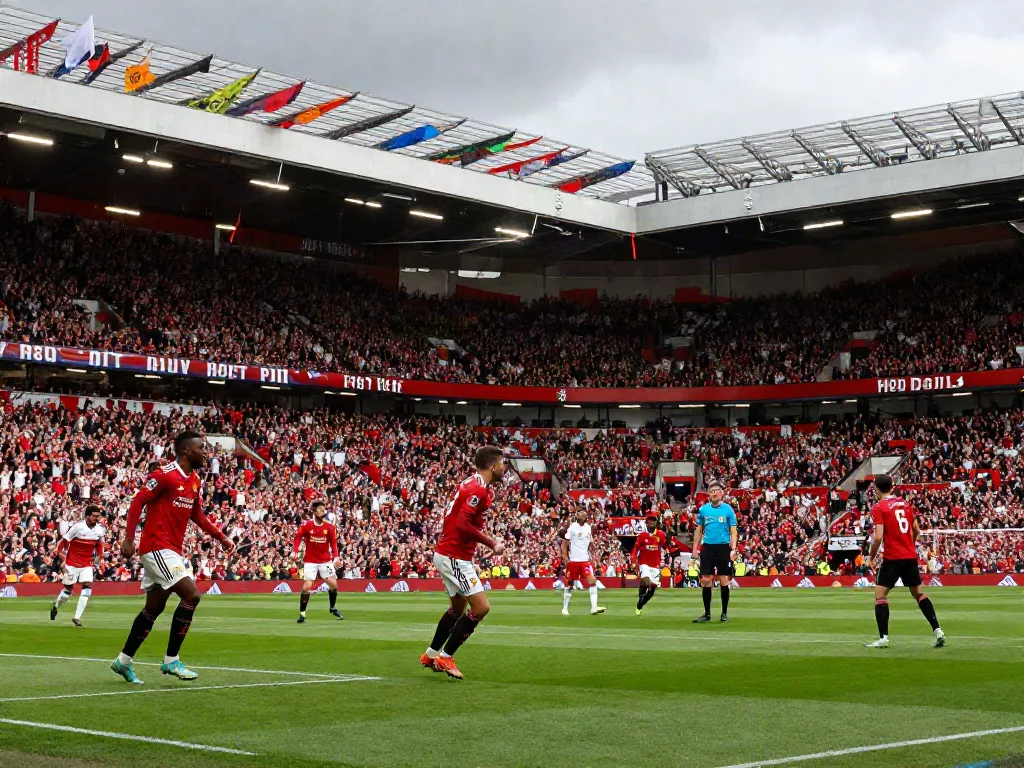
Historical Overview of แมนยู vs ลิเวอร์พูล 10 นัดล่าสุด
The fierce rivalry between Manchester United and Liverpool is one of the most storied in football history, and the last 10 encounters have only intensified this competitive spirit. Both clubs boast rich legacies, and their head-to-head matchups cover a wide spectrum of emotions, from heartbreak for one side to elation for another. Exploring the แมนยู vs ลิเวอร์พูล 10 นัดล่าสุด provides fans with insights into how these two giants of English football have performed against one another in recent times.
Key Matches and Results
Over the last ten matches, Liverpool has often edged Manchester United, showcasing their tactical prowess and ability to score crucial goals. Noteworthy match results include a decisive 7-0 victory for Liverpool at Anfield, reflecting their current dominance in certain fixtures. Meanwhile, Manchester United's resilience was evident in a hard-fought draw at Old Trafford, where they managed to level the score late in the game, proving that the rivalry is never short of suspense.
Significant Moments and Highlights
Each encounter between these two sides has produced memorable moments, such as dramatic late goals and controversial refereeing decisions. One cannot forget Mohamed Salah's brilliant solo run that led to a pivotal goal during their latest clash, a moment that will certainly be replayed in highlight reels for years to come. Furthermore, the on-pitch battles have often seen young talents emerge as key players, adding new layers to the rivalry.
Statistical Analysis of Recent Encounters
Analyzing the statistics from the last 10 matches reveals striking trends in performance metrics. For instance, Liverpool has outscored Manchester United during these encounters, showcasing their attacking efficiency. The data indicates that Liverpool players have combined for numerous assists, while Manchester United's defensive records have been tested significantly in these fixtures.
Goals Scored and Conceded Comparison
In terms of goals, Liverpool has scored 21 times over the last ten matches compared to United's 15 goals. This differential not only highlights Liverpool's attacking capabilities but also points to their strategic advantage in these high-stakes games. The goals have often come from various players, demonstrating a collective effort rather than reliance on a single star.
Head-to-Head Performance Metrics
Examining head-to-head performance metrics such as possession rates, shots on goal, and passing accuracy reveals a trend favoring Liverpool. In these contests, they have maintained an average possession rate of around 60%, creating numerous opportunities within the final third. Conversely, Manchester United's stats show a more defensive posture, which they have employed as a tactic to counter Liverpool's attacking style.
Trends in Match Outcomes Over Time
Looking back at match outcomes over several seasons indicates a shift in control. In recent years, Liverpool has emerged as the stronger side, especially in league play. Historically, however, Manchester United has had periods of dominance, suggesting the rivalry's cyclical nature.
Impact of Tactics in Recent Matches
Tactical approaches have defined the recent encounters between these two clubs, with each manager applying distinct strategies to gain an upper hand. The evolution of game plans has contributed to the highly unpredictable nature of their matches.
Coaching Strategies and Adjustments
Both Jürgen Klopp and Erik ten Hag have demonstrated tactical flexibility. Klopp's high-pressing game aims to unsettle Manchester United’s build-up play, while Ten Hag has often favored a possession-based game that seeks to control the midfield. The adaptability of both coaches has led to various adjustments in formations that cater to the strengths and weaknesses of their respective squads.
Formation Changes and Their Effects
Formation changes, particularly during key matches, have influenced outcomes. Liverpool’s switch to a more attacking 4-3-3 has allowed their forwards to exploit gaps in United’s defense, creating more goal-scoring opportunities. On the other hand, Manchester United’s 4-2-3-1 formation has often served to provide defensive stability while allowing for quick counter-attacks.
Key Tactical Battles Between Teams
The battles between midfielders often dictate match outcomes. Liverpool's ability to dominate the midfield with players like Thiago and Fabinho has been crucial, while Manchester United’s reliance on Casemiro's experience has proven invaluable. These tactical confrontations set the tone for the matches and can significantly influence the final scoreline.
Fan Responses and Cultural Significance
The matches between Manchester United and Liverpool are not just about football; they embody deep cultural significance for their respective fan bases. Fans view these encounters as more than just games; they are battles for pride, legacy, and bragging rights.
Fan Reactions to Recent Matches
Fans have shown passionate reactions to recent clashes, both online and in stadiums. Social media platforms are often flooded with discussions, memes, and highlights after matches, reflecting the intense emotions experienced during these fixtures. The electric atmosphere during the matches amplifies these feelings, creating memories for supporters that last a lifetime.
Rivalry's Role in Football Culture
This rivalry has shaped football culture in England, spawning numerous chants, rivalries among fan groups, and historic moments. It serves as a case study of how football can influence social and cultural dynamics beyond the pitch.
Memorable Chants and Celebrations
Chants originating from both fanbases echo through stadiums, reinforcing the pride and history associated with these clubs. Celebrations following victories—whether through dramatic goals, last-minute winners, or comprehensive team performances—create lasting memories for fans and solidify the match's importance in the broader context of both clubs' narratives.
Looking Ahead: Future of the Rivalry
As both teams continue to evolve, the future of their rivalry promises to be as thrilling as ever. Emerging talent and changes in strategies will likely influence upcoming encounters.
Emerging Players to Watch
New talents like United’s Alejandro Garnacho and Liverpool’s Cody Gakpo are beginning to make their marks. These players bring fresh dynamics to their respective squads and will play key roles in shaping the future of the rivalry.
Predictions for Upcoming Matches
Predicting outcomes in this rivalry is fraught with uncertainty. Both teams have the capability to surprise, and given their history, each match is a potential turning point in the ongoing saga of their competition.
Long-term Implications of Current Form
Current form can have long-term implications for both clubs. A series of victories could bolster one team’s confidence and position in the league, whereas consistent losses might prompt changes in management or player strategies. Therefore, each encounter holds the potential to influence the landscape of English football significantly.
What are the statistics from แมนยู vs ลิเวอร์พูล 10 นัดล่าสุด?
Statistics from recent matches indicate Liverpool's slight edge in overall performance metrics, yet each match tells a unique story, highlighting the unpredictable nature of this iconic rivalry.
How has the rivalry evolved in recent years?
The rivalry has evolved with the changing dynamics of team performance, management styles, and player capabilities, continuing to capture the imagination of fans around the world.
What are the key factors influencing match outcomes?
Key factors include tactical decisions, player form, injury status, and historical performance in high-stakes matches, all of which play a critical role in determining the outcomes of these encounters.
Who are the standout players from both teams currently?
Standout players like Mohamed Salah for Liverpool and Marcus Rashford for Manchester United have consistently demonstrated their importance through decisive performances in crucial moments.
What strategies can teams employ to gain an edge?
Teams can look to employ flexible tactics that adapt to the dynamic nature of their opponents, focusing on exploiting weaknesses while reinforcing defensive structures to withstand counterattacks.