Understanding the Smart Home Concept
In today’s fast-evolving technological landscape, the concept of a smart home is becoming increasingly mainstream. A smart home integrates advanced technologies to enhance convenience, comfort, and security, allowing homeowners to manage their home environment remotely or automate daily tasks. Central to this idea is the seamless interaction between devices, creating an ecosystem that serves the user effectively. Companies like خانه هوشمند جهان اسمارت provide extensive solutions in this domain, ensuring users can embrace the future of living.
What is a Smart Home?
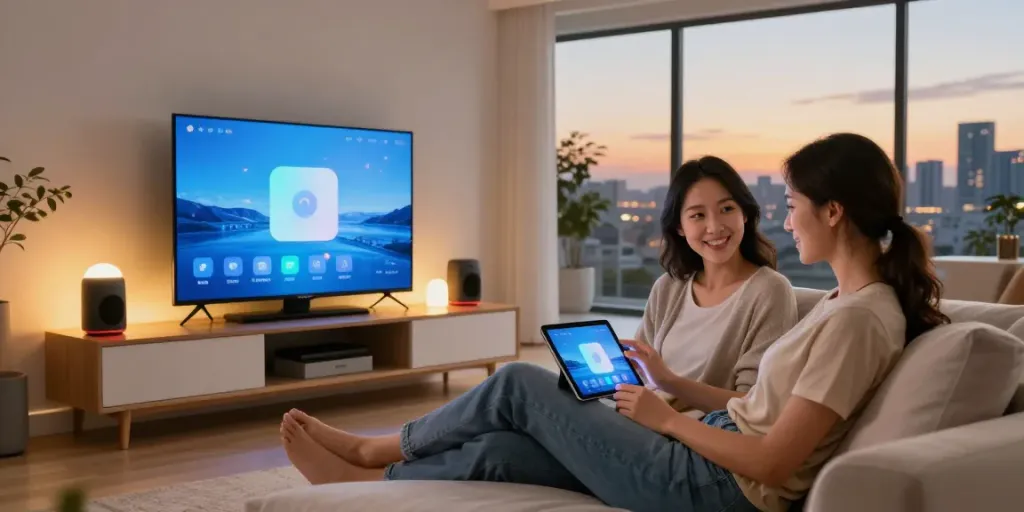
A smart home is equipped with smart devices that connect to a central network through the internet. These devices can be controlled remotely by smartphones, tablets, voice commands, or automated routines. Features often include smart lighting, climate control, security systems, and audio systems, making everyday tasks simpler and more efficient.
Benefits of Smart Home Technologies
- Convenience: Automation of daily tasks saves time and effort.
- Security: Enhanced home security features such as smart locks and cameras increase safety.
- Energy Efficiency: Smart thermostats and lighting help reduce energy consumption.
- Comfort: Personalized environments can improve comfort levels.
- Control: Manage devices from anywhere, giving peace of mind when away from home.
The Role of خانه هوشمند جهان اسمارت in Home Automation
خانه هوشمند جهان اسمارت leads the way in providing comprehensive smart home solutions. With a wide array of products and services, they facilitate the transition to a fully automated home environment. Their expertise ranges from installation to post-sale support, ensuring that clients receive the best experience possible.
The Key Components of a Smart Home
Smart Audio Systems: Features and Benefits
Smart audio systems are an integral part of the modern smart home, providing high-quality sound and connectivity options. They offer features such as voice control, multi-room audio, and integration with other smart devices, creating an immersive entertainment experience. Brands like Sonos and JBL have made significant strides in this sector, providing seamless integration with various smart home ecosystems.
Smart Locks and Security Systems
Ensuring the security of a home is a priority for many homeowners. Smart locks, such as those offered by brands like Bosch and Sharp, provide advanced security measures, including fingerprint recognition and remote access capabilities. These systems allow homeowners to monitor access to their homes, receive alerts for unauthorized entries, and even manage guest access without being physically present.
Integrating Smart Lighting Solutions
Smart lighting systems enhance both aesthetics and functionality. Through the use of smart bulbs and fixtures, homeowners can adjust brightness, change colors, and set schedules for their lighting systems. This not only adds to the ambiance of a space but also contributes to energy savings by allowing users to control their lighting when they are not at home.
Installation and Setup Challenges
Common Installation Issues
While smart home technology offers numerous advantages, installation can present challenges. Common issues often include compatibility of devices, network connectivity problems, and the complexity of setting up automated routines. Proper planning and assessment of existing home infrastructures can alleviate many of these issues, ensuring a smoother installation process.
Tips for a Smooth Setup
- Assess device compatibility with your current network.
- Ensure your internet connection is robust enough to handle multiple devices.
- Follow manufacturer instructions carefully during installation.
- Consider professional installation for complex systems.
Choosing the Right Devices for Your Needs
Selecting the appropriate smart home devices depends on individual needs and lifestyle. Homeowners should consider factors such as usability, integration with existing systems, and the specific features they desire. Brands that offer a variety of products can be beneficial in creating a cohesive smart home ecosystem.
Enhancing User Experience with Smart Solutions
User-Centric Design in Smart Homes
User-centric design is essential in developing smart home technologies. Manufacturers must prioritize ease of use, accessibility, and intuitive interfaces that allow users to interact with their devices effortlessly. This approach not only enhances user satisfaction but also encourages the adoption of new technologies.
Personalization Options for Smart Devices
Personalization is a key feature that enhances the user experience in smart homes. Many devices allow users to create customized settings, routines, and preferences. This means that a smart home can adapt to the unique lifestyle of its inhabitants, from adjusting lighting based on personal preference to optimizing temperature settings based on time of day.
Case Studies of Successful Smart Home Integrations
There are numerous examples of successful smart home integrations that highlight the benefits of this technology. For instance, in smart residential projects, automation systems have been utilized to enhance energy efficiency, allowing homeowners to reduce their energy bills significantly while maintaining comfort. These case studies serve as inspiration for those looking to upgrade their own homes.
The Future of Smart Homes in 2026
Emerging Trends in Smart Home Technologies
As we look towards 2026, a plethora of emerging trends in smart home technology are set to reshape the landscape. Enhanced connectivity through 5G networks will enable faster communication between devices, leading to more responsive smart home solutions. Additionally, integration with smart grids will allow homes to optimize energy usage based on real-time data.
The Impact of AI on Home Automation
Artificial intelligence is poised to play a transformative role in home automation. With continuous learning capabilities, AI can analyze user behavior and preferences to automate tasks more intelligently. From optimizing energy usage to enhancing security protocols, AI-driven solutions will significantly improve the functionality of smart homes.
Predictions for Consumer Adoption and Market Growth
Market analysts predict robust growth in consumer adoption of smart home technologies by 2026. Increasing awareness of the benefits, coupled with the falling prices of smart devices, will drive more homeowners to invest in smart home solutions. The growing demand for energy efficiency and enhanced security will further propel this trend, making smart homes a standard in modern living.