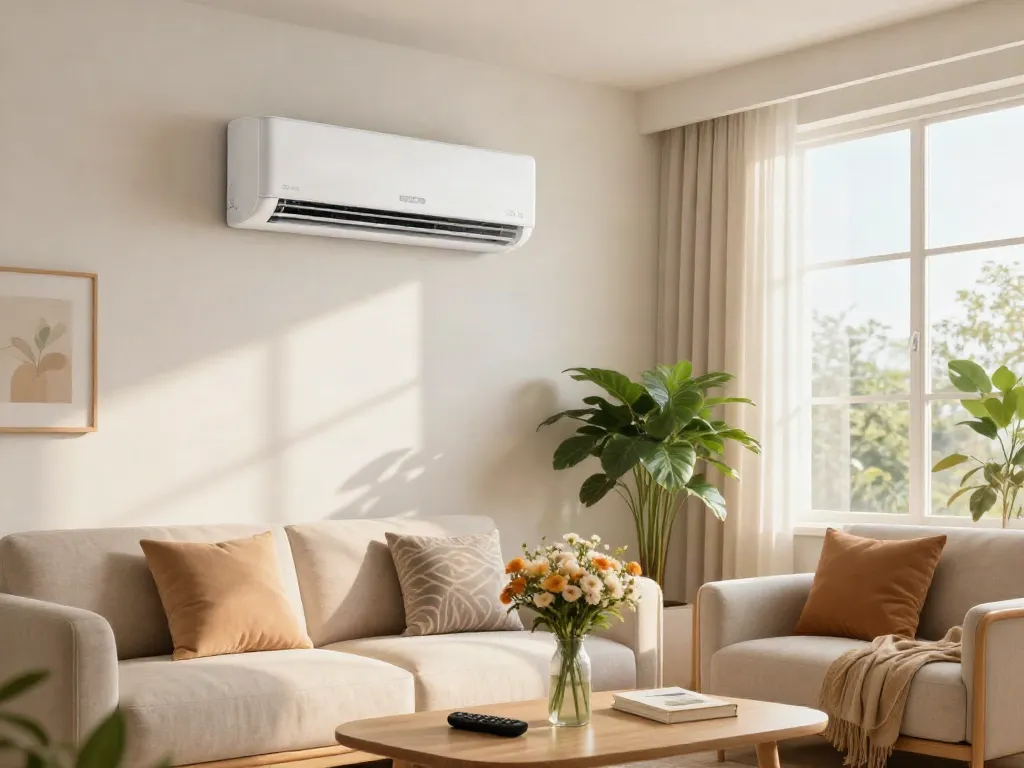
Understanding Mini Split Air Conditioners
As homeowners increasingly seek efficient and flexible cooling systems, mini split air conditioners have surged in popularity. These innovative devices offer a versatile solution for climate control, enabling precise temperature regulation with minimal energy consumption. The distinct advantage of mini splits lies in their ductless design, allowing for installation in spaces where conventional HVAC systems may not be feasible. When exploring options, mini split air conditioner models provide comprehensive insights into features, performance, and energy savings.
What is a Mini Split Air Conditioner?
A mini split air conditioner, often referred to as a ductless air conditioning system, consists of an indoor unit and an outdoor condenser. This configuration allows for targeted heating and cooling without the need for extensive ductwork. Unlike traditional systems that rely on ducts to distribute air, mini splits can efficiently service individual rooms or zones, making them an excellent choice for homes without existing duct systems or for additions that require localized climate control.
Benefits of Using Mini Split Systems
- Energy Efficiency: Mini split air conditioners are designed to maximize energy savings. They use inverter technology, which adjusts the compressor speed based on cooling demand, resulting in significantly lower energy bills.
- Flexible Installation: With no ducts required, mini splits can be installed in a variety of settings, including homes, apartments, and offices. They are compact and can fit almost anywhere.
- Quiet Operation: The indoor units operate quietly, providing a comfortable environment without the disruptive noise that often accompanies traditional HVAC systems.
- Heating Capability: Many mini split models also function as heat pumps, offering heating solutions in the winter months, thereby providing year-round comfort.
Comparison with Traditional HVAC Systems
When comparing mini split air conditioners to traditional HVAC systems, several key differences emerge. Traditional systems often require extensive ductwork, which can be costly and increasingly inefficient due to energy loss through leaks. In contrast, mini splits deliver conditioned air directly into the desired spaces, enhancing energy efficiency and reducing utility costs. Furthermore, traditional systems often impose constraints on zoning control, while mini splits can easily be adapted to individual room requirements, providing personalized comfort.
Installation Guide for Mini Split Air Conditioners
Choosing the Right Size and Model
Selecting the appropriate mini split air conditioner involves considering both the size of the space and the specific cooling requirements. Factors such as room dimensions, insulation quality, and climate should guide your choice. A properly sized unit will operate more efficiently, ensuring optimal performance without excessive energy consumption.
To determine the correct capacity, refer to the British Thermal Units (BTUs) required for your space. For example, a small room of about 150-250 square feet requires around 6,000 BTUs, while larger spaces will need proportionately higher BTU ratings.
Installation Process Overview
The installation process for mini split air conditioners can generally be completed within a single day, depending on the complexity of the setup. The process involves mounting the indoor unit, installing the outdoor condenser, and connecting the refrigerant lines and electrical cables. It's crucial to follow manufacturer instructions carefully to ensure the system functions efficiently.
DIY vs. Professional Installation Considerations
While DIY installation of mini split systems can save money, it is essential to assess your own technical skills and tools. For those comfortable with home improvement projects, many manufacturers provide installation kits with comprehensive instructions. However, hiring a professional ensures proper setup and potentially avoids costly mistakes.
Energy Efficiency and Cost Savings
Understanding Energy Ratings and Efficiency
Mini split air conditioners are often rated based on their efficiency, typically denoted by Seasonal Energy Efficiency Ratio (SEER) ratings. Higher SEER ratings indicate greater energy efficiency, which translates to lower operational costs over time. When choosing a model, aim for a SEER of 16 or higher for optimal energy savings.
Long-term Cost Benefits of Mini Splits
While the initial investment for a mini split air conditioner can be higher than traditional window units, the long-term savings on energy bills and maintenance costs often outweigh the upfront expense. Many homeowners find that their mini split systems pay for themselves within a few years through reduced energy usage and lower utility bills.
Tips for Reducing Energy Consumption
- Regularly clean or replace filters to maintain airflow and efficiency.
- Utilize programmable thermostats to automatically adjust temperatures based on occupancy.
- Seal any gaps around the indoor unit to prevent air leaks.
- Install the outdoor unit in a shaded area to enhance cooling efficiency.
Common Issues and Maintenance Tips
Frequent Problems with Mini Split Air Conditioners
While mini split air conditioners are generally reliable, users may encounter some common issues, such as inadequate cooling, strange noises, or leaks in refrigerant lines. It’s crucial to address these problems promptly to avoid potential damage to the unit.
Maintenance Best Practices
Regular maintenance is key to ensuring the longevity and efficiency of your mini split system. Routine tasks include cleaning the filters, checking refrigerant levels, and inspecting the outdoor unit for debris or obstructions. Schedule annual professional inspections to keep the system in top condition.
When to Call a Professional Technician
If you notice persistent problems that you cannot resolve, such as fluctuating temperatures or ice buildup on the coils, it's time to call a professional technician. They can diagnose complex issues and provide repairs that may be beyond the capabilities of a typical homeowner.
Future Trends in Mini Split Technology
Emerging Innovations in HVAC Technology
The HVAC industry is continuously evolving, with mini split air conditioner technology at the forefront of these advancements. Innovations in smart technology integration allow for better control of indoor climates via smartphone applications. Additionally, enhancements in energy efficiency standards aim to reduce environmental impact while providing better service to consumers.
Predicted Changes in Energy Regulations
As energy efficiency regulations continue to tighten, manufacturers are likely to innovate further to meet new standards. This may include developing more efficient compressors or integrating renewable energy sources into mini split systems. Staying informed about regulatory changes can help consumers make better purchasing decisions that align with future trends.
Consumer Trends in Home Comfort Solutions
Homeowners are increasingly prioritizing energy efficiency and sustainability in their HVAC choices. Mini split air conditioners are well-positioned to meet these demands, combining advanced technology with user-friendly features. The trend towards customizing home environments to optimize comfort and energy savings will likely drive continued growth in the mini split market.
What are the disadvantages of a mini split?
Despite their many benefits, mini split systems do have a few disadvantages. Initial installation costs can be higher than traditional units, and the outdoor units may detract from the aesthetic appeal of some properties. Additionally, regular maintenance is necessary to prevent issues that can arise from neglect.
Is a mini split air conditioner worth it?
For many homeowners, the advantages of mini split air conditioners far outweigh the drawbacks. Their energy efficiency, flexibility, and capacity to provide both heating and cooling make them a worthwhile investment. Evaluating individual needs and consulting with HVAC professionals can help in making an informed choice.
Why is my electric bill so high with mini split?
High electric bills can be caused by various factors, including improper sizing of the unit, lack of maintenance, or inefficient usage patterns. Ensure that your mini split is properly sized for your space and that filters are clean. Additionally, utilizing energy-saving settings can significantly reduce consumption.
How much is a mini split for a 1000 sq ft house?
The cost of installing a mini split air conditioner in a 1,000 square foot house can vary based on factors such as the number of zones required and installation complexity. On average, homeowners can expect to pay between $3,000 to $7,000 for a complete installation. This includes both equipment costs and professional installation fees.