
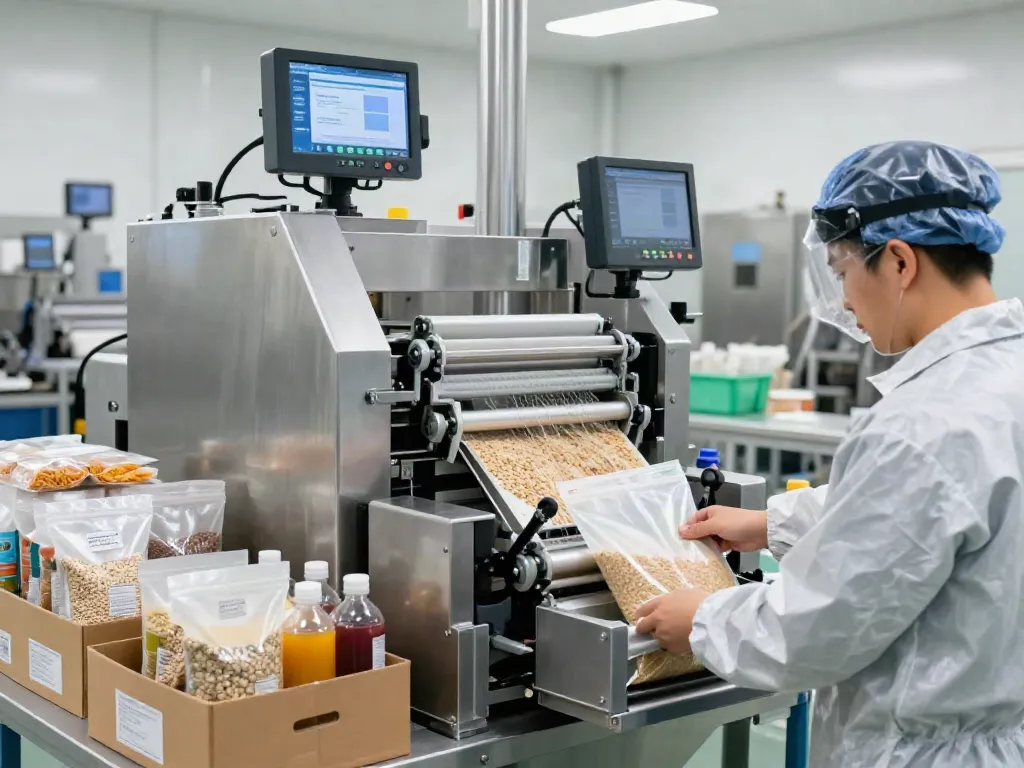
Introduction to Automated Bagging Solutions
In today's fast-paced manufacturing and packaging environment, efficiency and accuracy are paramount. Automated bagging solutions have emerged as vital tools for companies looking to streamline their processes, reduce labor costs, and enhance product quality. These advanced machines not only automate the bagging process but also ensure that products are packaged quickly and consistently, making them indispensable in a wide range of industries. As a leading manufacturer of bagging equipment, Durzerd Machine provides innovative solutions that cater to diverse packaging needs, boasting technology that aligns with industry demands and advancements. For those exploring options, automated bagging solutions are paving the way for enhanced production capabilities and operational efficiency.
What Are Automated Bagging Solutions?
Automated bagging solutions refer to systems and machines designed to package products into bags automatically. These machines can handle various product types, including dry goods, liquids, and powders, with minimal human intervention. By incorporating sophisticated technology such as sensors, automated bag placement, filling mechanisms, and sealing functions, these solutions provide a seamless integration into existing production lines.
History and Evolution of Bagging Machines
The journey of bagging machines began in the early 20th century when manufacturers sought ways to automate packaging and reduce manual labor. Initially, these machines were semi-automatic, requiring human operators for critical tasks. As technology advanced, fully automated systems were developed to improve speed and efficiency. Innovations in robotics, artificial intelligence, and machine learning have further transformed bagging technologies, leading to more sophisticated systems capable of handling a variety of products with precision and speed.
Current Trends in Automated Packaging Technology
Recent trends in automated packaging technology include the integration of IoT (Internet of Things) devices for real-time monitoring, the use of data analytics to optimize packaging processes, and the development of machines that can easily adapt to different product sizes and bag types. Sustainability is also a growing focus, with manufacturers seeking eco-friendly materials for packaging and processes that minimize waste. Moreover, customizable software solutions are becoming more prevalent, allowing businesses to tailor their bagging operations to specific needs.
The Benefits of Automated Bagging Solutions
Adopting automated bagging solutions offers numerous advantages that go beyond mere cost savings. Businesses in various sectors are experiencing significant improvements in their packaging operations, leading to better overall productivity and product quality.
Increased Efficiency and Productivity
Automated bagging machines operate at high speeds, significantly reducing the time required for packaging. This swift operation translates to higher throughput, allowing companies to meet customer demands rapidly. Furthermore, these systems minimize downtime associated with manual labor, ensuring that production lines operate continuously with minimal interruptions.
Cost Reduction through Labor Savings
One of the most compelling reasons companies invest in automated bagging solutions is the potential for labor cost savings. With fewer employees needed to oversee packaging operations, organizations can reallocate their workforce to more value-added tasks, thus enhancing overall operational efficiency. Furthermore, reduced labor costs can lead to significant improvements in profit margins over time.
Improved Consistency and Quality Control
Automated bagging solutions are designed to maintain consistent quality in packaging. Human error is minimized, leading to fewer packaging mistakes. Additionally, these machines are equipped with quality control systems that validate the integrity of the seals and bag weight, ensuring that every packaged item meets industry standards.
Industries Utilizing Automated Bagging Solutions
Various industries have recognized the value of automated bagging solutions, implementing them to meet their specific packaging needs effectively.
Food and Beverage Industry Adaptations
The food and beverage sector has been at the forefront of utilizing automated bagging solutions to enhance packaging efficiency and maintain product freshness. These machines enable quick filling and sealing of bags containing snacks, grains, liquids, and other perishable items, while adhering to strict hygiene standards. With the rise of e-commerce, food companies are also adapting packaging techniques to cater to direct-to-consumer models.
Pharmaceutical and Chemical Packaging
In the pharmaceutical and chemical industries, precise dosing and secure packaging are critical. Automated bagging machines provide the necessary accuracy and reliability for packaging drugs and chemicals, ensuring compliance with regulatory requirements. These machines can effectively package powders, tablets, and various liquids, maintaining contamination-free environments and ensuring product integrity.
Consumer Goods and E-Commerce Trends
The growth of the e-commerce sector has triggered a demand for automated bagging solutions that cater to a variety of consumer goods. Whether it’s packaging toiletries, household items, or apparel, these machines enhance fulfillment speeds and allow businesses to efficiently handle an ever-increasing volume of online orders. Customizable bagging solutions also enable companies to offer personalized packaging options that enhance customer experience.
Best Practices for Implementing Automated Bagging Solutions
To maximize the benefits of automated bagging solutions, organizations must follow best practices during implementation.
Assessing Your Packaging Needs
Before investing in an automated bagging system, businesses must conduct a thorough assessment of their packaging needs. This includes evaluating current production rates, understanding product specifications, and identifying any specific challenges faced during the current packaging process. Such assessments provide a solid foundation for selecting the right equipment that aligns with operational goals.
Choosing the Right Equipment for Your Facility
Not all automated bagging machines are created equal. Companies should consider factors such as bagging speed, compatibility with existing equipment, and the ability to adjust to different bag sizes when selecting a system. Consulting with manufacturers can provide insights into suitable options tailored to specific industry requirements and production capacities.
Training and Maintenance for Optimal Performance
Investing in training programs for staff on the operation and maintenance of automated bagging machines is crucial for achieving optimal performance. Regular maintenance schedules should also be established to prevent breakdowns and prolong the lifespan of the equipment. A proactive approach to both training and maintenance can significantly reduce downtime and enhance productivity.
The Future of Automated Bagging Solutions
The landscape of automated bagging solutions is poised for transformative changes as technology continues to evolve.
Emerging Technologies in Automation
Future developments in automated bagging will likely incorporate advancements in artificial intelligence, enhancing machine learning algorithms that allow for continuous optimization of packaging processes. Robotics and automation will further enhance flexibility, enabling machines to handle a broader range of products with ease. Additionally, innovations in materials science may lead to new packaging materials that are both sustainable and cost-effective.
Predicted Industry Changes by 2026
By 2026, the automated bagging industry is expected to see significant advancements in speed and efficiency, complemented by environmentally friendly practices. Companies that adopt these technologies will find themselves better positioned to meet consumer demands for sustainability without compromising on quality or performance.
Case Studies of Successful Implementation
Real-world examples illustrate the successful implementation of automated bagging solutions across industries. For instance, a major food manufacturer reported a 30% increase in production efficiency after integrating automated bagging lines into their operations. Similar success stories are emerging in pharmaceuticals and consumer goods, showcasing the importance of adopting such innovative solutions to stay competitive in the market.
What are the best automated bagging systems?
The best automated bagging systems vary based on specific industry needs, but leading contenders often include modular systems that allow scalability and customization. Brands that offer comprehensive service and support should also be favored, as they provide not only equipment but also ongoing maintenance and training, ensuring long-term operational success.
How do automated bagging machines improve efficiency?
Automated bagging machines enhance efficiency by reducing the time and labor required for manual packaging processes. They operate at high speeds, ensuring quick turnaround times while maintaining consistent quality, thereby streamlining production lines and enabling faster order fulfillment.
What industries benefit most from automated solutions?
The food, pharmaceutical, and consumer goods industries are among the primary sectors benefiting from automated bagging solutions. Each of these industries faces unique challenges that automation effectively addresses, from maintaining hygiene in food packaging to ensuring precise dosing in pharmaceuticals.
How much does an automated bagging system cost?
The cost of automated bagging systems can vary widely depending on the complexity of the machine, the features required, and the production capacity needed. Investments typically range from tens of thousands to hundreds of thousands of dollars, but the long-term cost savings and efficiency gains often justify the initial expenditure.
What maintenance is required for bagging machines?
Regular maintenance for automated bagging machines includes routine inspections, calibration of systems, and replacement of worn parts. Developing a consistent schedule for maintenance can help prevent unexpected breakdowns and prolong the longevity of the equipment, ensuring optimal performance over time.